
It’s November in London: a season we are surrounded by grey—grey skies, grey mist, and grey buildings. There are a maximum of 8.5 daylight hours today. After the vibrant light of summer, this sudden change shocks our mood (even though this happens every single year!). What can help counteract this problem is rethinking how we design our interior space.
There are places blessed with year-round sun - the interiors are very different, often using cool whites to escape the heat. In London, however, copying that concept will leave a room feeling cold and sterile.
Colour can be treated as the decoration but also as the illumination of our rooms. If you think of the wall as an active light source, you can warm up a room without adding a single new electrical light fixture. By approaching colour, texture, and materiality, warm-based tones — especially those carrying a subtle hint of red can lend a quiet, natural glow to a space:
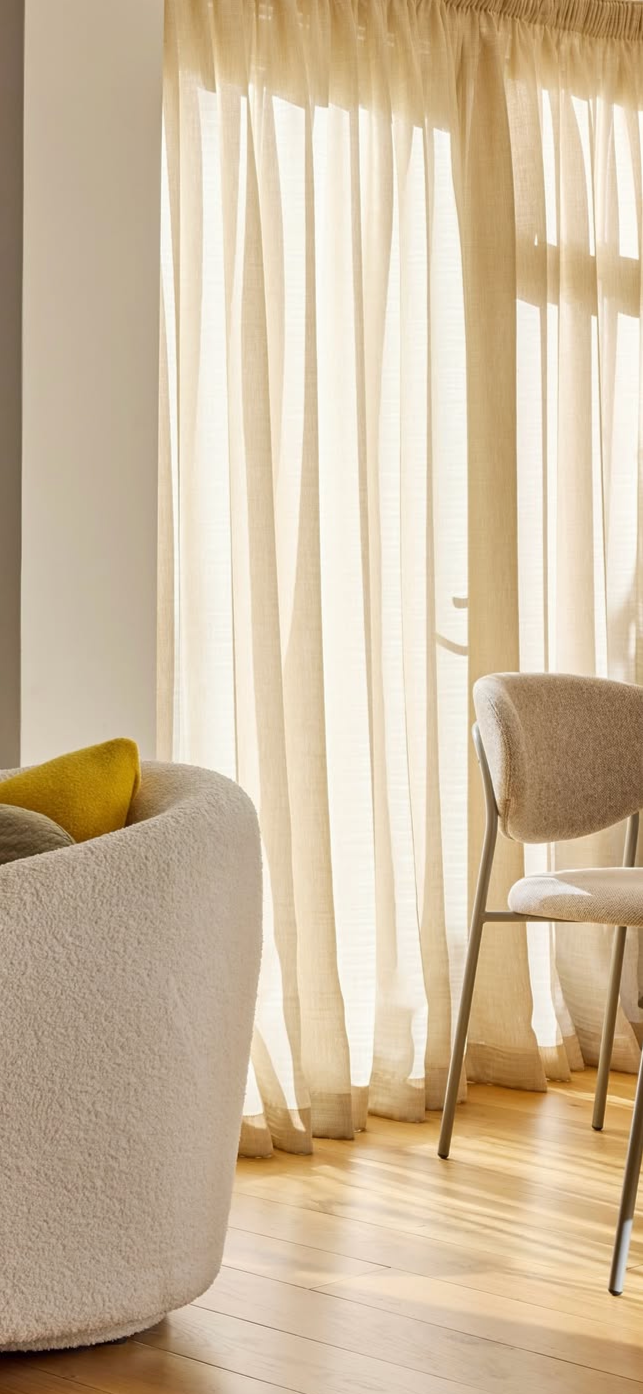
At the window: Golden sheers that catch and soften whatever faint, grey daylight that manages to enter.
On the surfaces: A pink raw plaster that reads like a gentle blush across the room rather than a bold colour block statement.
In the materials: Honey wood grains paired with soft understated gleam of aged brass metallic finish.
Furniture textiles: choose mixed thread fabrics with metallic interest to warm up the look of the piece.
keep it simple: paint colour is the easiest and best value way to add warmth without too much commitment. Aim for subtle sunset/sunrise colours to create the right hue.
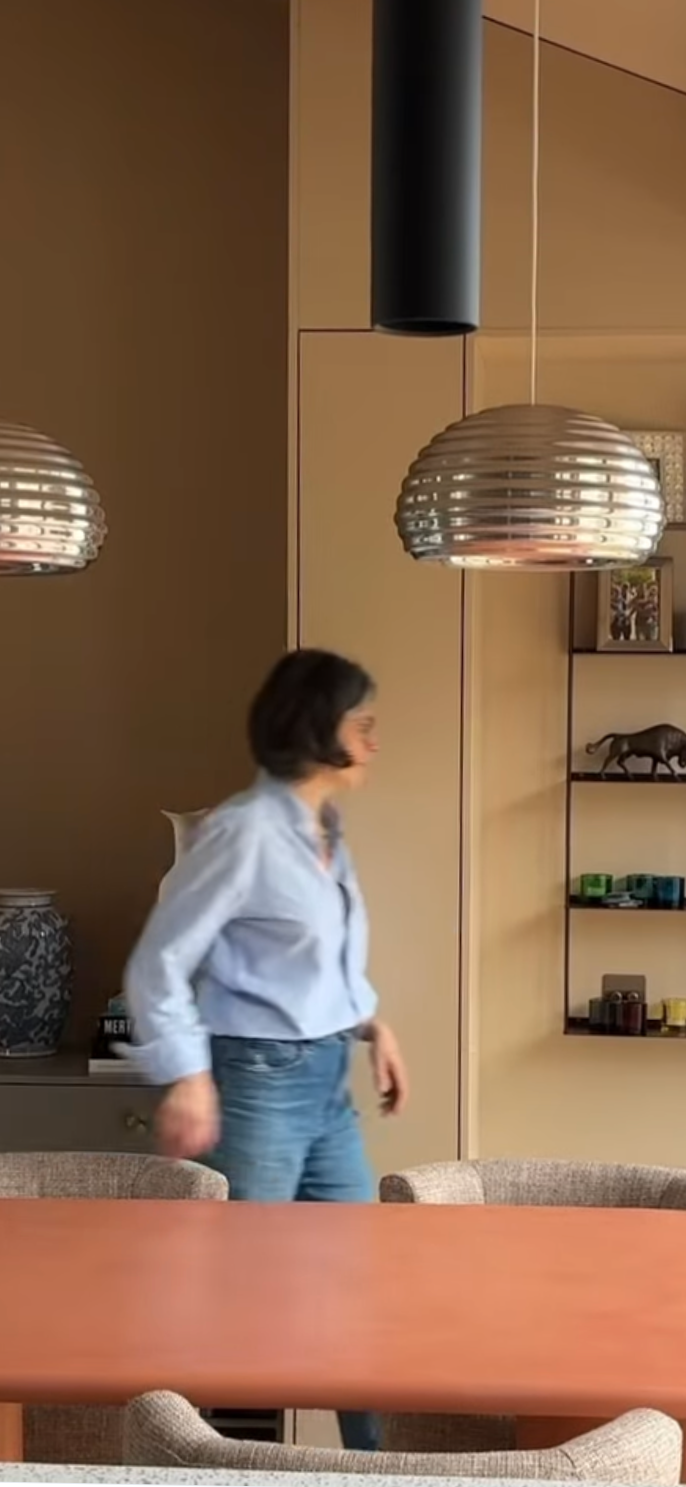
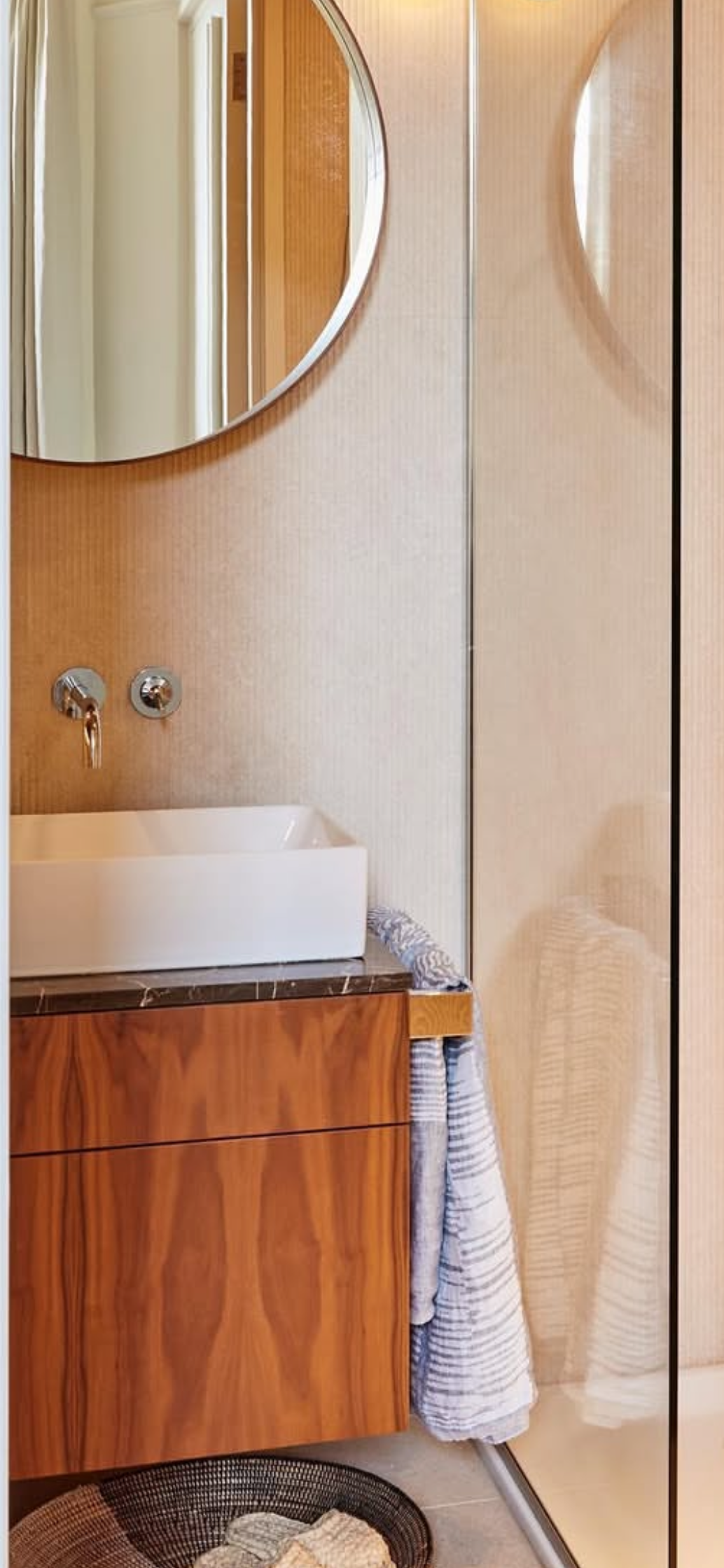
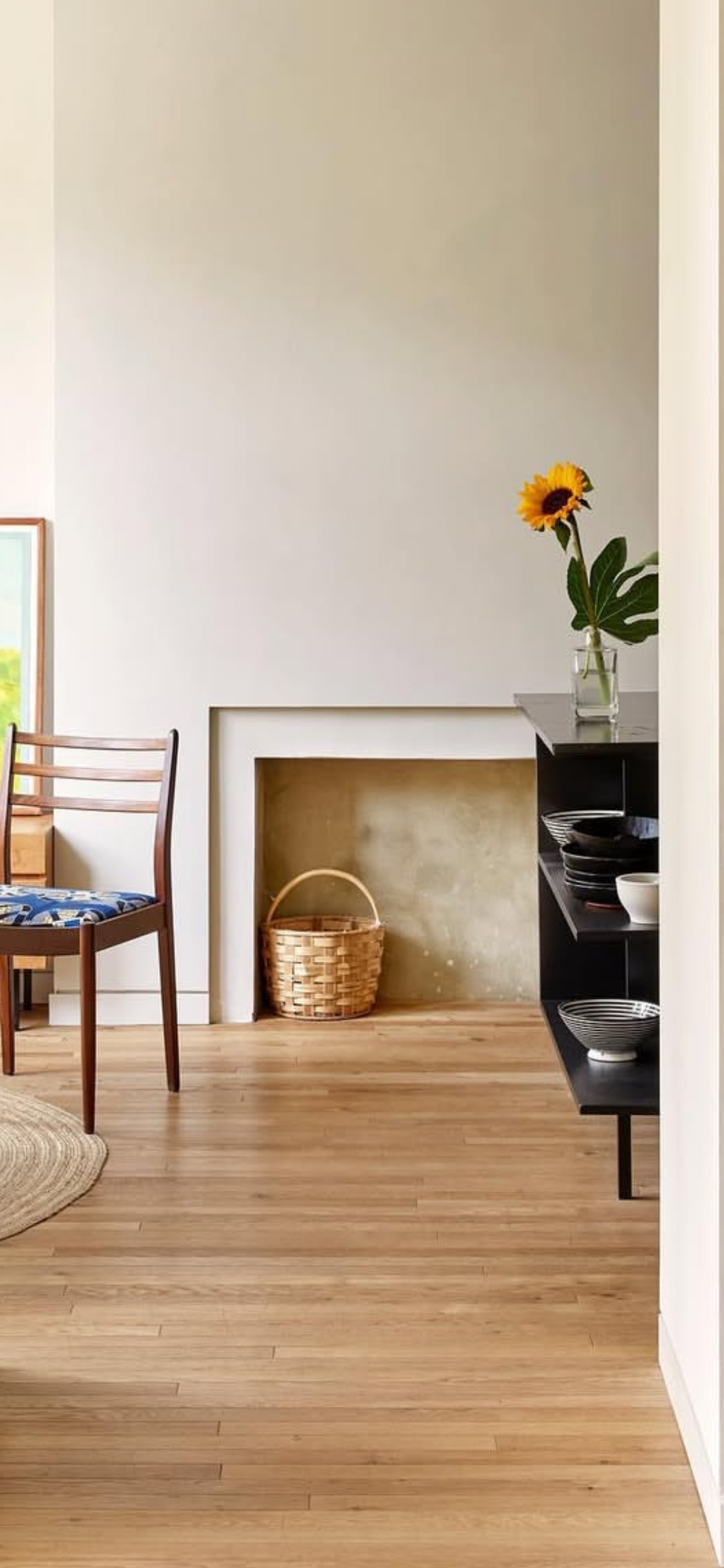
In typical London architecture—where Victorian terraces and Georgian townhouses house segmented rooms and numerous walls—restraint is essential. You do not need the heavy drama of deeply saturated hues to change how a room feels. A modest application of warm-toned chalk paint or untreated raw pink plaster introduces an immediate warmth without overwhelming the space. No commitment is necessary here.
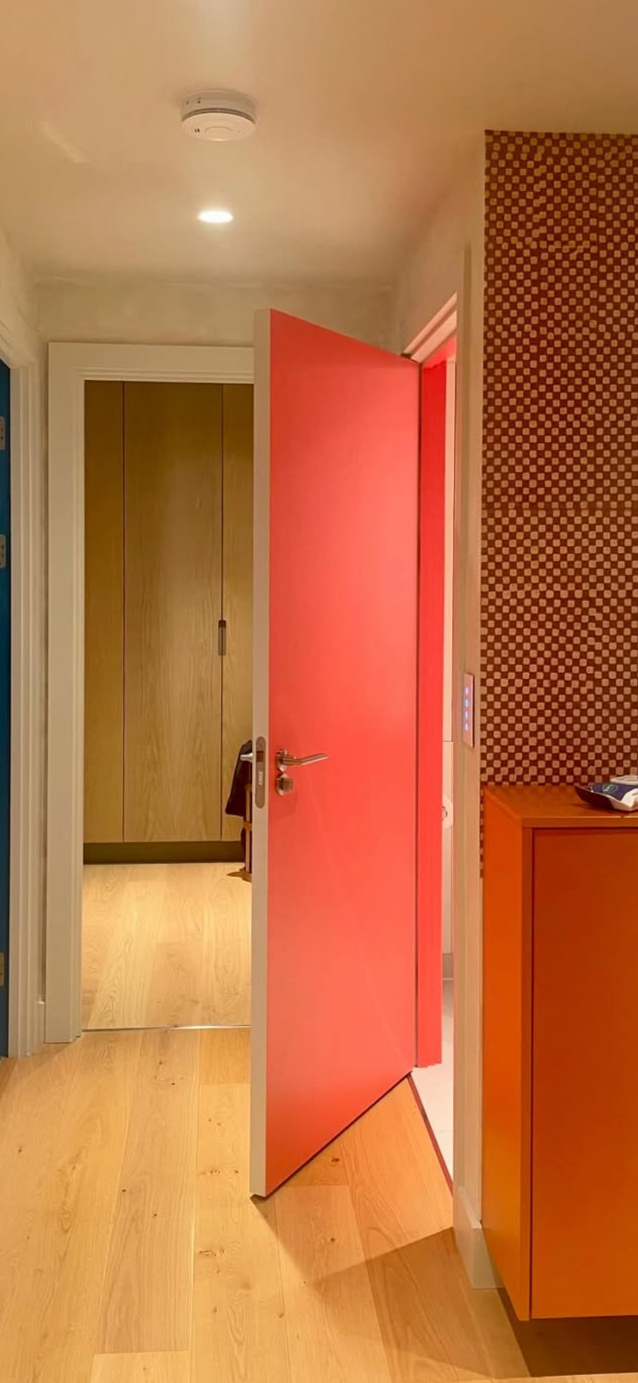
Another quick + fun way to give your rooms a glow-up is to paint a door (inside a room or even in a cupboard) a bright punchy colour. A small area of very bright colour will reflect in a neutral room and will serve as a blush if required without a full renovation.
Ultimately, colour in a London home serves primarily a psychological purpose as well as an aesthetic one. It begins to bridge the gap between the outside climate and our need for indoor comfort, bringing warmth from within (rather than the reverse during the summer months).
Please remember this idea when you start planning your own interior. Even the most tentative use of warm colour can dissolve the grey outside your window, creating an inviting, lived-in glow that feels like welcoming and homely. If you are planning an upcoming project and would like to explore how light and materiality can transform your space, we would be delighted to start a conversation.
interior design for winter months | warm light interior design london | psychological effect of colour in homes | using warm light to transform london interiors | the role of colour in interior design | colour psychology | design aesthetics | home ambiance | colour schemes| interior decorator london | interior painting